

Abdelhamid Benazzouz (President) – Bordeaux, France
Neurophysiology/Neuroscience
Biography:
Abdelhamid Benazzouz is a Neurophysiologist and expert in the field of Parkinson’s disease (PD) and DBS. He was first to develop subthalamic nucleus (STN)-DBS as a therapeutical approach for Parkinson’s disease in MPTP monkeys during his PhD thesis (1990-1993) and proposed its transfer to human patients. He joined as a Research Fellow at the Inserm unit of Prof. Alim-Louis Benabid in Grenoble, where he participated in the transfer of this approach to Parkinsonian patients. In parallel with his hospital activities, he led a research team investigating the functional mechanisms of STN-DBS in animal models. He was first to demonstrate that STN-DBS could improve PD motor symptoms by inhibiting the neuronal activity of STN and its efferent structures. In 1998, he obtained a permanent research position at Inserm. In 2001, he returned to the CNRS unit of Prof. Bernard Bioulac in Bordeaux, and was later promoted to the position of Research Director in 2005. He currently leads a team in the Institute of Neurodegenerative diseases and is a member of the National Scientific committee of CNRS (2012-2021). He has published more than 130 research papers in peer-reviewed journals with a global H-Index score of 60. He received the National Academy of Medicine award in 2003, the Academy of Science award in 2007, and Honors from the Ministry in charge of Moroccans Residing Abroad and the Ministry of Health of Morocco in 2018.
Homepage: https://www.bordeaux-neurocampus.fr/en/staff/abdelhamid-benazzouz/
Email: abdelhamid.benazzouz@u-bordeaux.fr

Yasin Temel (Vice-President) – Maastricht University, The Netherlands
Neurosurgery/Neurotechnology
Biography:
Yasin Temel (MD PhD) is a neurosurgeon who has been active in the field of DBS since 1999. After completing his medical studies at Maastricht University, he combined his neurosurgical residency with his PhD program. After visiting the lab of Abdelhamid Benazzouz in 2000, he proceeded to develop the first bilateral STN-DBS model in rodents. In later experiments, he was first to show the link between STN and the serotonergic system. In 2012, he was appointed Professor of Neurosurgery (at the age of 34). As of 2018, he is currently the Head of Department of the Academic Neurosurgical Center Limburg, The Netherlands (six hospitals and one University lab). His current research focuses on experimental and clinical studies of DBS. He has authored many papers mostly focusing on the mechanisms of action and neurotechnology.
Homepage: https://cris.maastrichtuniversity.nl/en/persons/yasin-temel
Email: y.temel@maastrichtuniversity.nl
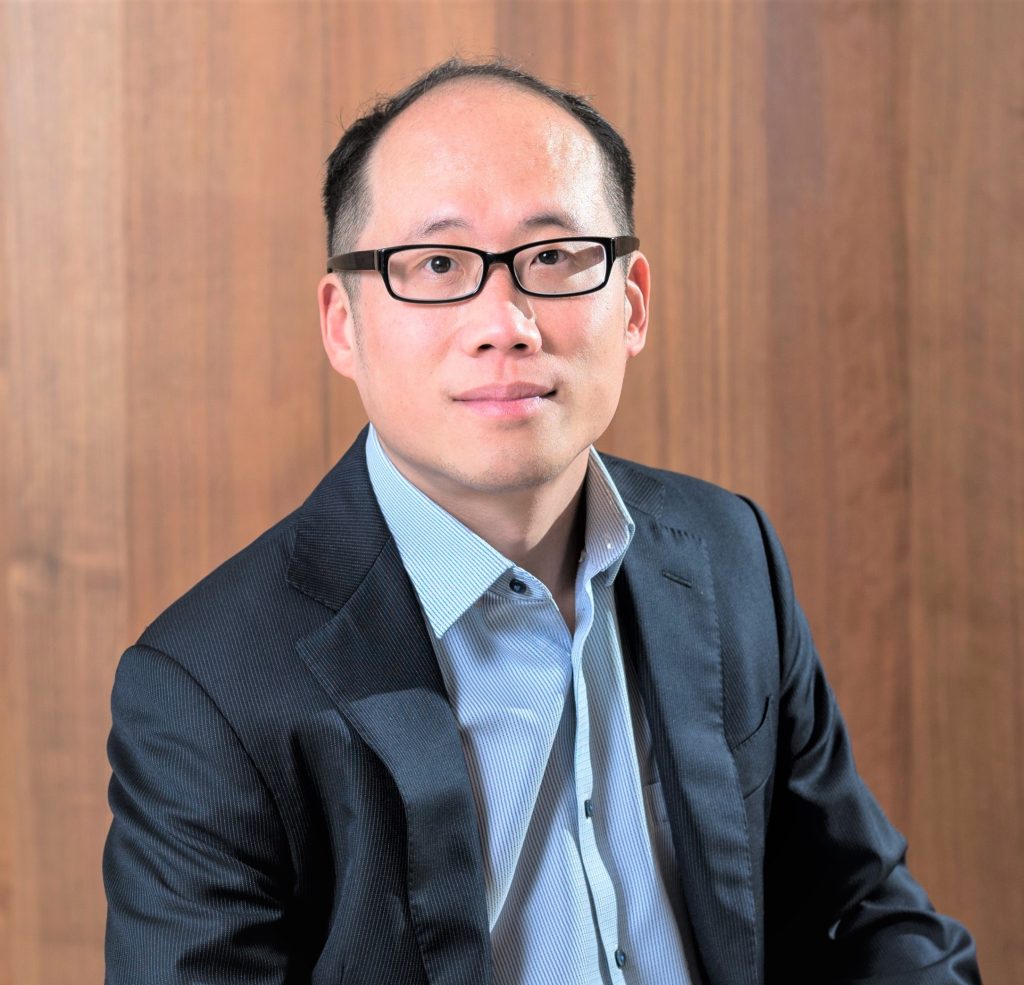
Lee Wei Lim (Secretary) – Hong Kong, China
Neuroscience
Biography:
Lee Wei Lim is currently an Honorary Full Professor of Neuroscience at Maastricht University and Istanbul Atlas University; a Visiting Professor at Hubei University of Medicine; and an associate professor at Xi’an Jiaotong-Liverpool University. He was previously an Assistant Professor in the Li Ka Shing Faculty of Medicine, the University of Hong Kong. After completing his MD, master’s and PhD degrees, Dr Lim spent several years of research fellowships at Maastricht University, University of Oxford, and Nanyang Technological University. Dr. Lim is honored to have been elected as a Life Member and Academician of the Academy of Medicine of Malaysia, a Life Fellow of the Royal Society of Biology, and an UNESCO Executive Committee Member of Anti-aging and Disease Prevention, France. Dr Lim’s research is focused on translational neuroscience, looking at cutting-edge neuromodulation and psychopharmacological treatments for psychiatric and neurodegenerative disorders, and understanding how neurostimulation interfaces with brain networks via controlling neuronal activity and the microcellular environment.
Homepage: https://www.drlimlab.com/
Email: drlimleewei@gmail.com

Elena Moro (Treasurer) – Grenoble, France
Neurology
Biography:
Elena Moro is a professor of neurology at the Department of Psychiatry, Neurology and Neurological Rehabilitation of CHU Grenoble in France. She graduated in medicine at the University of Trieste, Italy, and completed her residency in neurology at Rome’s Catholic University. She then completed a fellowship in movement disorders in Grenoble, France. After receiving her PhD in neurosciences, she was appointed as the Medical Director of the surgical programme for movement disorders in the Division of Neurology at Toronto Western Hospital, Canada. In 2012, she moved to Grenoble, France, where she is currently Director of the Movement Disorders Center and Head of the Department of Psychiatry, Neurology, Neurological Rehabilitation and Forensic Medicine.Her main research focuses on restoring brain function, particularly using DBS. To date, she has published more than 200 papers based on her clinical research in movement disorders. Prof. Moro has trained many medical students, PhD students, and neurology fellows. She is currently Secretary General of the European Academy of Neurology and Treasurer of the International Association of Parkinsonism and Related Disorders.
Homepage:
https://green.univ-grenoble-alpes.fr/fr/a-propos-de-green/direction/cv-de-elena-moro-directrice-adjointe-661656.kjsp
Email: emoro@chu-grenoble.fr

Ersoy Kocabicak (Council Member) – Samsun, Turkey
Neurosurgery
Biography:
Ersoy Kocabicak started working in the Neurosurgery Department of Ondokuz Mayıs University as an assistant Professor in 2009. After completing his training in DBS at Maastricht University in 2011, he started performing DBS surgeries at Ondokuz Mayıs University Samsun in Turkey in the same year. He completed an external PhD program on DBS in Parkinson’s disease at Maastricht University in 2015. He was in charge of constructing and establishing the Neuromodulation Center at Ondokuz Mayıs University in Turkey, and he was appointed Head of the Center in 2017. The Center brings together for the first time disciplines in movement disorders, psychiatric diseases, and pain surgery. He has over 100 national and international publications and poster papers on DBS in movement disorders and psychiatric disorders. He is currently the functional group chairman of the Turkish Neurosurgical Society. He is a committee member of the functional section of the European association of Neurosurgical societies (EANS). He is also a board member (General Secretary) of the National Neuromodulation Research-Education Association.
Homepage: https://personel.omu.edu.tr/tr/ersoy.kocabicak
Email: ersoykocabicak@gmail.com
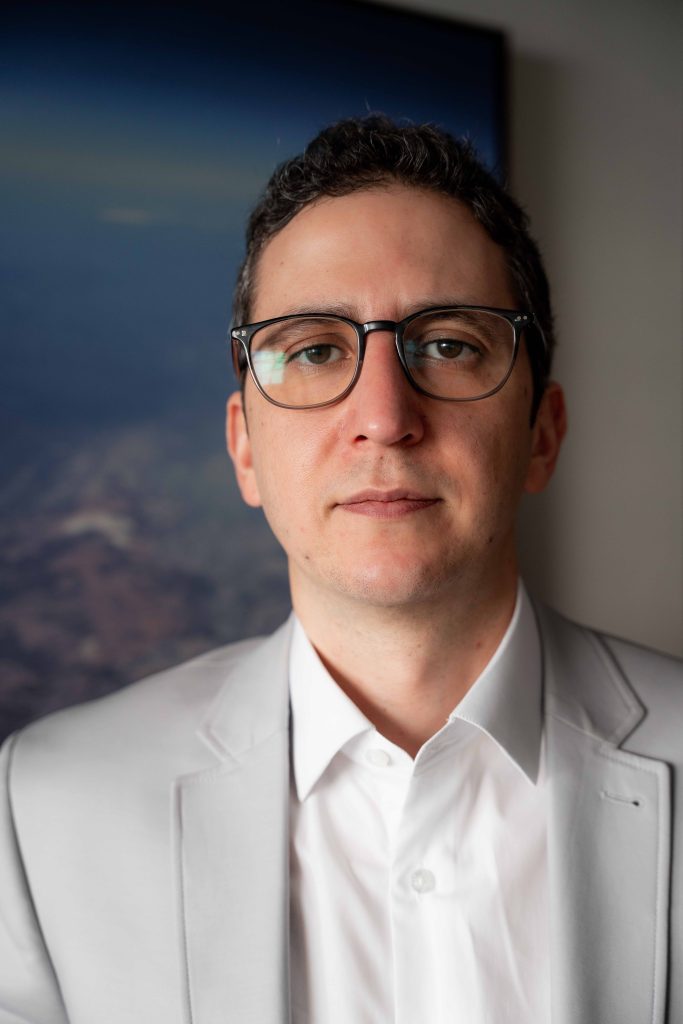
Rubens Cury, MD, PhD
Biography:
Ruben Cury is a neurologist and movement disorders specialist at the University of São Paulo (USP), Brazil, where he has practiced since 2011 and currently serves as an Associate Professor. His PhD and postdoctoral training focused on deep brain stimulation (DBS) and the motor and non-motor manifestations of Parkinson’s disease. In 2016, he trained in Grenoble, France, at the movement disorders program under Prof. Elena Moro. Since 2017, Dr. Cury has led the DBS Center at USP, advancing clinical and translational research in invasive and non-invasive neuromodulation on across a range of movement disorders. His current interests include gait dysfunction, optimization of DBS programming, and technology-enabled rehabilitation strategies. In 2024, he was appointed Co-Chair of the Neuromodulation for Gait Study Group of the International Parkinson and Movement Disorder Society (MDS).
Homepage: www.rubenscury.com.br
Email: rubens_cury@usp.br
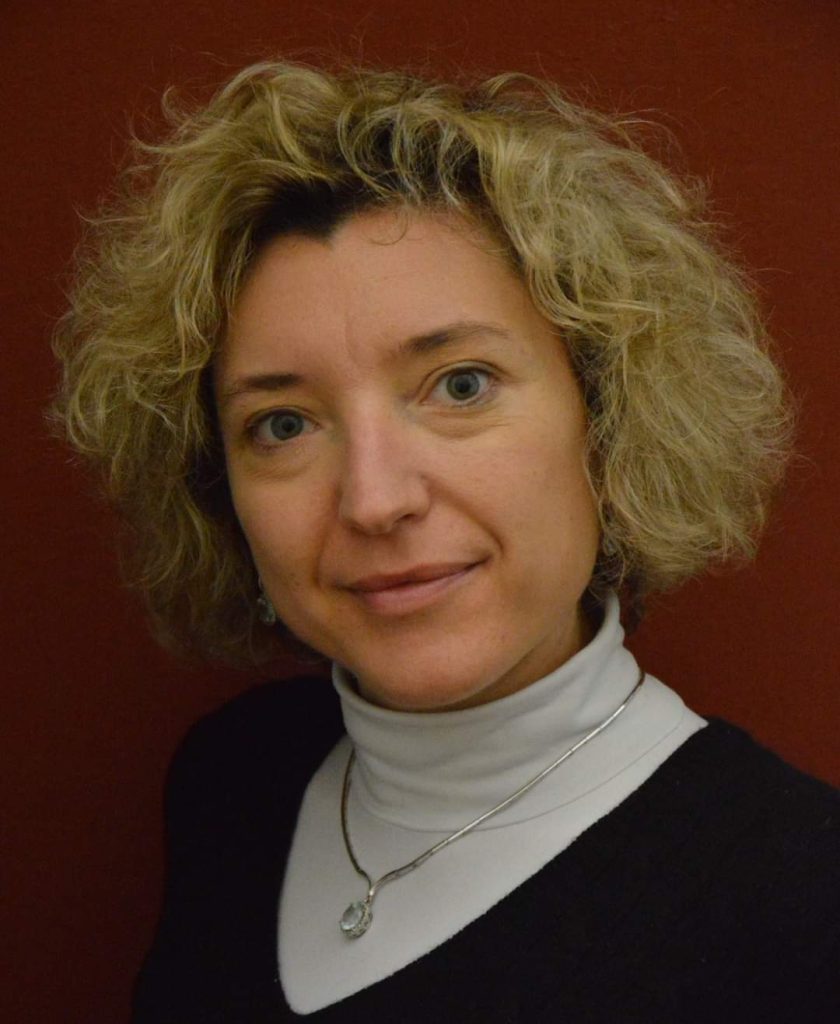
Sara Marceglia
Biography:
Sara Marceglia is Professor of Bioengineering and eHealth at the University of Milan. Her research interests focus on two main areas, one related to the optimization of invasive and non-invasive neuromodulation devices through the analysis of deep EEG signals recorded in patients with movement disorders, and the other one related to Personalized e-health, integrated healthcare through ICT solutions, and artificial intelligence for decision support systems. More specifically, she is working on deep brain stimulation for movement, neurologic, and neuropsychiatric disorders since 2003, mainly in the field of acquisition and analysis of neuronal biopotentials recorded in deep brain structures, particularly the basal ganglia, and in the development of new DBS devices with adaptive capabilities. She developed the linear adaptive DBS algorithm that is now implemented in adaptive DBS implantable devices. On the other hand, she works to implement integrated systems for chronic patients’ management, including cloud-based data collection platforms, big data analytics infrastructures, ecosystems of personalized app for Patient Reported Outcome collection, and wearable non-stigmatizing telemonitoring devices. She is founder and part of the board of director of the Italian Society for Biomedical Informatics. She graduated in Biomedical Engineering and got her PhD in Bioengineering at the Politecnico di Milano. She was Visiting Scientist at the National Library of Medicine-National Institutes of Health (NLM-NIH). She is author of more than 135 papers in peer-reviewed international journals and of three patents in USA, Canada and Europe regarding neuromodulation devices and methodologies.
Email: sara.marceglia@unimi.it
